6 Best Gaming Laptop Brands and the Model to Buy From Each in 2026
As an Amazon Associate, this website earns from qualifying purchases.
The short answer
Among the best gaming laptop brands, none wins on every spec. Compare the specific model's GPU tier, cooling, and display rather than shopping on brand name alone.
Searching for the best gaming laptop brands often leads to a longer search than it needs to be. The real differences hide in the specs. They aren't found on the badge on the lid. Knowing where to look first saves time and avoids an easy, common mistake. No single brand wins across every price and spec mix. Shopping by brand name alone can steer you toward a worse-specced laptop. That laptop may just have a more familiar name on the lid.
No gaming laptop brand wins on every spec. Cooling design and build quality vary more by brand than raw GPU performance does. The GPU chip itself comes from the same few makers across brands.
This guide is part of our best gaming laptop guide, which explains the specs that matter more than any logo.
We chose these from current US listings and each maker's published specs. We did not test them by hand. We don't print prices, because they change daily; each pick links to its current listing. Each pick shows what a brand does well at its price tier. They are examples, not the only good models from each brand.
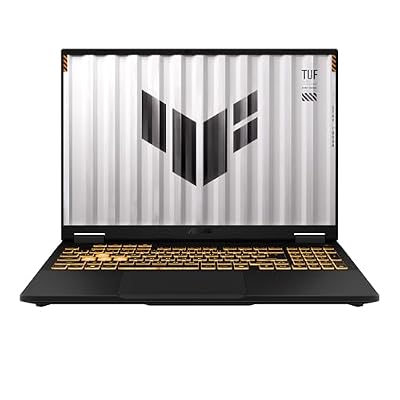
#1. ASUS TUF Gaming F16 (RTX 5050): Best ASUS pick
Keep in mind: you pay more for the brand and support than for extra GPU power.
Product details checked September 2026
The Alienware 16 Aurora's listing includes one year of Dell on-site service. It pairs an RTX 5060 with a 16-inch 2560 x 1600 screen and Dell's Cryo-Chamber cooling design.
Keep in mind: you pay a premium for the build, and the memory is soldered.
Product details checked September 2026
Razer's Blade 16 is 14.9mm thick in CNC-machined aluminum, with an RTX 5070 Ti at up to 140W and a 240Hz OLED screen.
Factors to consider when comparing the best gaming laptop brands
Rather than picking a brand first, compare specific models by GPU tier, cooling design, and display quality. Two laptops from different brands at the same price often have more in common with each other. Two laptops from the same brand at different price points often have less in common than you'd expect.
Reading reviews that test the specific model under sustained load tells you more than a brand's general reputation. A brand known for good cooling at one price point doesn't guarantee the same result lower down. Its own budget lineup can cool very differently.
Why GPU Performance Doesn't Vary Much by Brand
The GPU chip inside a gaming laptop comes from a small number of chip makers. This is true no matter which brand's name is on the laptop. A given GPU tier performs similarly across brands before cooling and power limits are factored in.
What differs is how each brand's chassis design lets that chip perform. A well-cooled laptop from a lesser-known brand can outperform a poorly-cooled laptop from a bigger name. This holds true even with the identical GPU tier listed on both spec sheets.
Where Brands Actually Differ
Cooling design is the biggest real difference between brands. It varies by specific model more than by brand as a whole. A single brand can offer both well-cooled and poorly-cooled models across its lineup, depending on price tier.
Build quality, keyboard feel, and bundled software also vary by brand and by specific model. Warranty length and support quality differ too. These can matter as much as raw specs if something goes wrong after you buy. A great GPU means little if a broken laptop takes a month to repair after something fails.
Support and Warranty Matter More Than Brand Prestige
A gaming laptop is a big purchase. The quality of a brand's support and warranty terms is worth checking alongside the hardware. Some brands handle repairs directly. Others route support through the retailer you bought from.
This detail can matter more than brand prestige. It matters most if the cooling system or battery has an issue after the first year of daily use. Checking recent reviews of a brand's support experience is worth the extra few minutes of research before you buy.
What to Check Before You Buy
Start with the specific model's GPU tier and its power limit, not the brand name. Then check the cooling design for that exact model. Display quality matters too. Compare warranty length and support reputation as a tiebreaker between similar options.
Avoid assuming a familiar or premium brand name guarantees better specs at the same price. Compare the actual numbers on the spec sheet before deciding, no matter which name is on the lid.
How Reputation Forms Around a Brand
A brand's overall reputation often comes from its flagship or most reviewed models. That reputation doesn't automatically carry over to its budget lineup. A brand known for excellent cooling at a premium price can still ship a weaker-cooled model at a lower price point.
This is why checking the specific model matters more than a brand's general name recognition. A well-known brand's entry-level laptop and its flagship model can differ as much from each other as two different brands do.
Bundled Software and Everyday Extras
Brands differ in the software they preinstall, from performance tuning utilities to trial versions of other programs. Some of this software is genuinely useful, like a tool for switching between performance and quiet fan modes. Some of it is just added trial software worth removing after setup.
Keyboard lighting customization, control center apps, and companion mobile apps also vary by brand. These are convenience features, not performance factors. They are worth a look, but they shouldn't outweigh the core specs in your final decision.
Regional Availability and Model Naming
Brands sometimes sell slightly different model setups in different regions under similar names. This can make direct comparisons confusing. Always check the exact model number and its listed specs for your region. Don't assume a name you've seen reviewed elsewhere matches what's for sale near you.
This matters most when comparing a review from one country against a listing in another. The same model name can carry a different GPU tier or memory setup depending on where it's sold.
Buying Direct Versus Through a Retailer
Some brands sell directly through their own site in addition to retailers. setups and bundled extras can differ between the two. Comparing both before buying can surface a better-specced option at a similar price.
Return policies can also differ between a brand's direct store and a third-party retailer. Check both before deciding where to buy from, not just what to buy.
Resale Value Across Brands
Resale value can differ by brand. It depends partly on general reputation. It also depends on how well a specific model held up over its life. A laptop known for reliable cooling and a sturdy chassis tends to hold value better than one known for early hardware issues.
This is a secondary factor next to the specs that decide day-to-day performance. Still, it is worth a quick check if you plan to sell or trade in the laptop after a few years of daily use.
Community and Long-Term Support
Community size around a brand can affect how easy it is to find help later. This includes troubleshooting guides, driver updates, and upgrade tips. A larger community, built around a widely sold model, often means more shared knowledge if something needs fixing down the road.
This matters more for anyone planning to keep a laptop for many years. It helps if you plan to handle minor issues yourself instead of relying only on official brand support channels.
A Simple Way to Compare Brands
Rather than ranking brands from best to worst, treat each shortlisted model on its own. List the GPU tier and cooling design for each option. Add memory and display refresh rate too. Compare them side by side, no matter brand.
This approach naturally surfaces the strongest option for your budget. It forces a comparison on the specs that actually decide performance. General brand feelings don't enter into it. A lesser-known brand with a well-cooled, well-specced model can easily beat a bigger name's weaker setup at the same price.
Reading Reviews Without Brand Bias
Some reviewers develop a preference for one brand over time. This can color how they frame similar specs across different laptops. Reading a few reviews from different sources for the exact model you're considering helps balance out any single reviewer's brand leanings.
Look for reviews with measured thermal results. A laptop described only as "fast" or "cool running" tells you less. Numbers and sustained-load charts tell you more than a general impression. This holds no matter how much a reviewer likes or dislikes a given brand.
Among the best gaming laptop brands, none wins on every spec. The right one for you depends on what you prioritize. Compare the specific model's GPU tier and cooling design rather than shopping on brand name alone. Display quality matters too. Check warranty and support as a tiebreaker between otherwise similar options.
FAQ
Does the brand of a gaming laptop matter?
It matters less than the specific model's specs. Brands differ more in cooling design and build quality than in raw GPU performance for a given tier. That performance comes from the same chip makers across brands. Support also varies more by brand than the chip does.
Which gaming laptop brand has the best cooling?
This varies by specific model more than by brand overall. Reading reviews that test sustained performance under load for the exact model you're considering tells you more than a brand's general reputation.
Should I stick to one brand for reliability?
Not necessarily. Reliability varies more by specific model and price tier within a brand's lineup than between brands as a whole. Check reviews for the exact model rather than assuming brand-wide consistency.
Do premium brands always mean better gaming laptops?
Not automatically. A premium brand name can come with a higher price for the same specs as a lesser-known brand. Compare the actual GPU tier, cooling, and display before assuming a premium name buys better performance.